Know when the forest wakes up
The best places to find mushrooms this week
We work out where and when the mushrooms you are waiting for will come out, zone by zone and day by day. So you get there when they appear, not a week late.
No sign-up. No exact spots. Your secret places stay yours.
 The forest, today
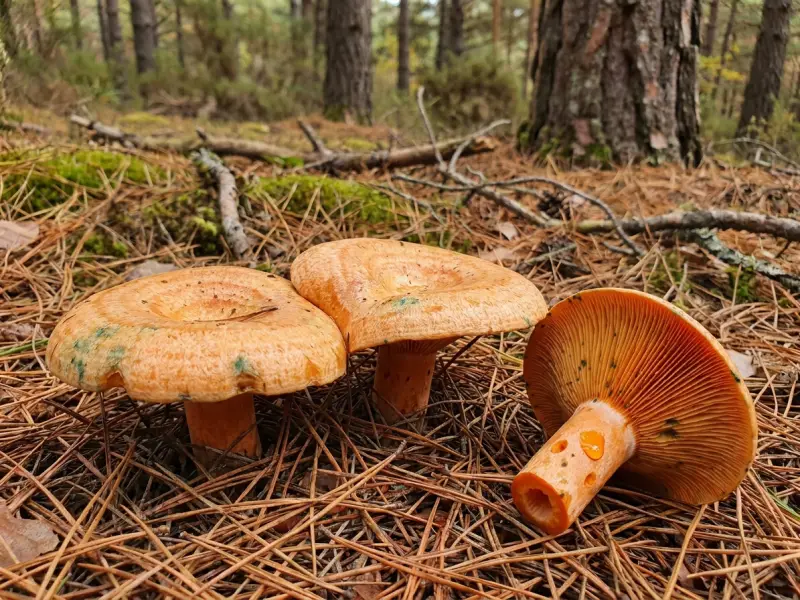
Stirring the most: Saffron milk caps
Weekend report
Where to go this weekend, province by province, and the rain on its way. Read the report →
What the forest needs
A flush of mushrooms takes weeks to prepare
Rain that wakes it up
Not just any rain: the kind that soaks in. It is the signal that sets the mycelium going, and micomapa remembers it for you: which day it fell and how much.
Soil that holds the moisture
What separates a useless shower from a real flush is ground that is still damp two weeks later. We follow it day by day, below the surface.
An autumn temperature
Neither the summer heat nor the December frost. Every species has its sweet spot, and the moment the forest reaches it is what the map marks.
When all three come together in the right forest at the right time of year, the map lights up. How we know.
Species
The mushrooms everyone waits for
From the ones that fill the basket to the ones only a trained eye finds. Each with its calendar, its woods and its character; all with their own forecast on the map.
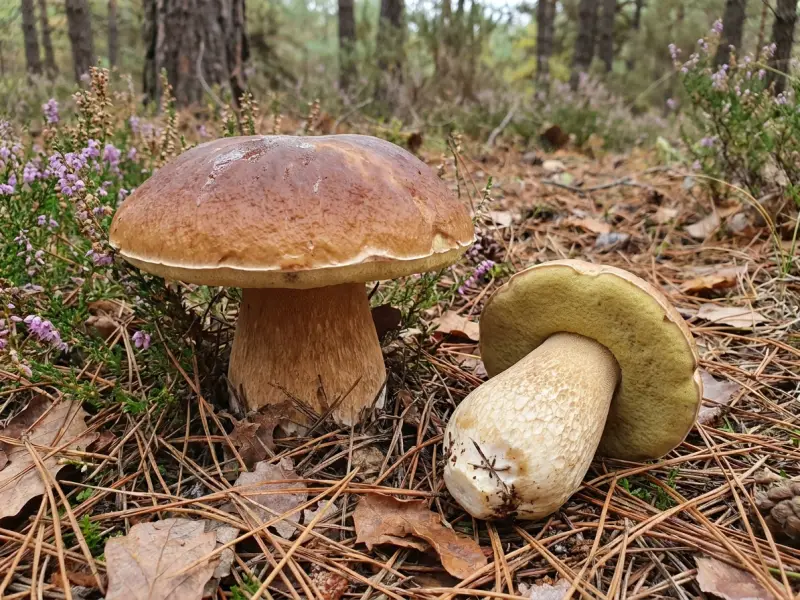
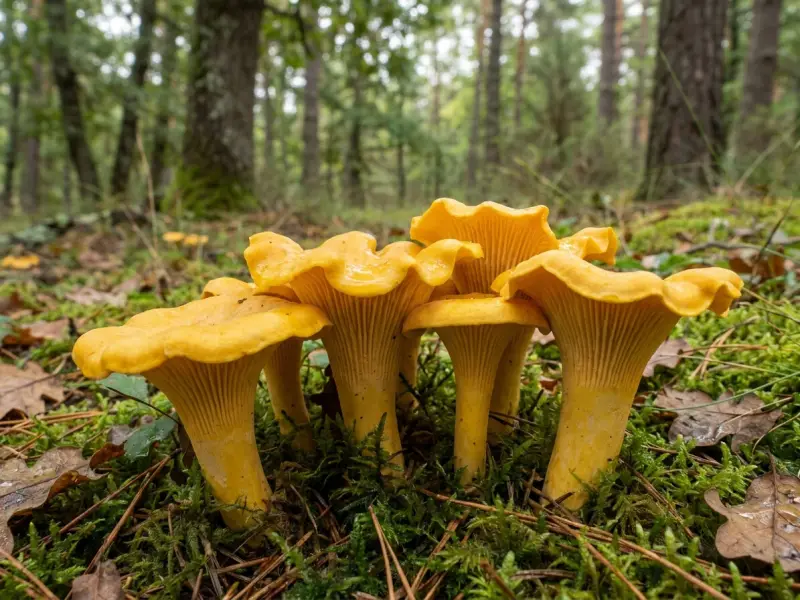
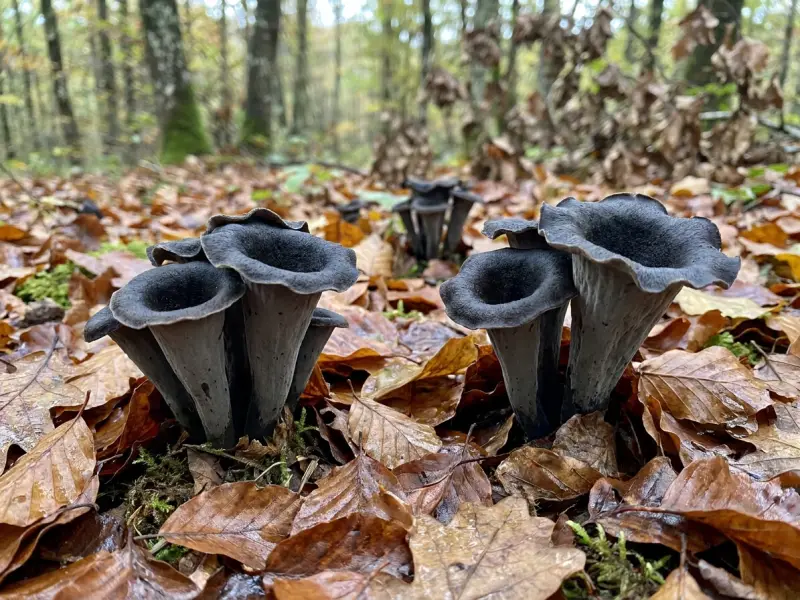
There are 14 in all. Each has its own season and its own woods, and the map shows zone by zone when the one you are after is due. Choose a species on the map.
The woods give more than mushrooms: sweet chestnuts · wild asparagus spears, each with its own map and its own week.
Where does such a passion come from? The story of mushroom hunting in Spain, region by region, with its cooking and the poisonous mushrooms worth knowing. And if it is your first time, how to start mushroom foraging, step by step.
Coverage
Where the map reaches
48 provinces and 20,467 zones of about five kilometres, from the Pyrenees to Sierra Nevada and from the Galician rías to the Mediterranean. Autumns that look nothing alike: if the map gets them all right, it gets it right anywhere.
Where the forest is stirring most these days: Cáceres, Asturias and Lugo. The rest, in the province-by-province forecast.
A deal with the forest
- We never point to a spot. We talk about areas, and what you find in them is your business.
- We do not replace your eye or an expert's: the safety of what you take home is yours.
- We anticipate conditions, not full baskets. The forest always has the last word.
Frequently asked questions